Why Inflation Hits Developing Nations Hardest

Inflation, the rate at which the general level of prices for goods and services is rising, is a global phenomenon. However, its effects are not felt equally across the world. While developed economies certainly grapple with the challenges of rising prices, developing nations often bear the brunt of inflation’s destructive power. This disparity stems from a complex interplay of economic vulnerabilities, limited resources, and weaker institutional frameworks.
Key Takeaways:
- Developing nations are more vulnerable to inflation due to factors like import dependence, weaker social safety nets, and volatile exchange rates.
- Inflation impact in these countries includes increased poverty, food insecurity, and reduced access to essential services.
- Limited policy options and external debt burdens further complicate the fight against inflation in developing economies.
- Addressing inflation in these regions requires a multi-faceted approach involving fiscal responsibility, diversification, and international cooperation.
Understanding the Disproportionate Inflation Impact
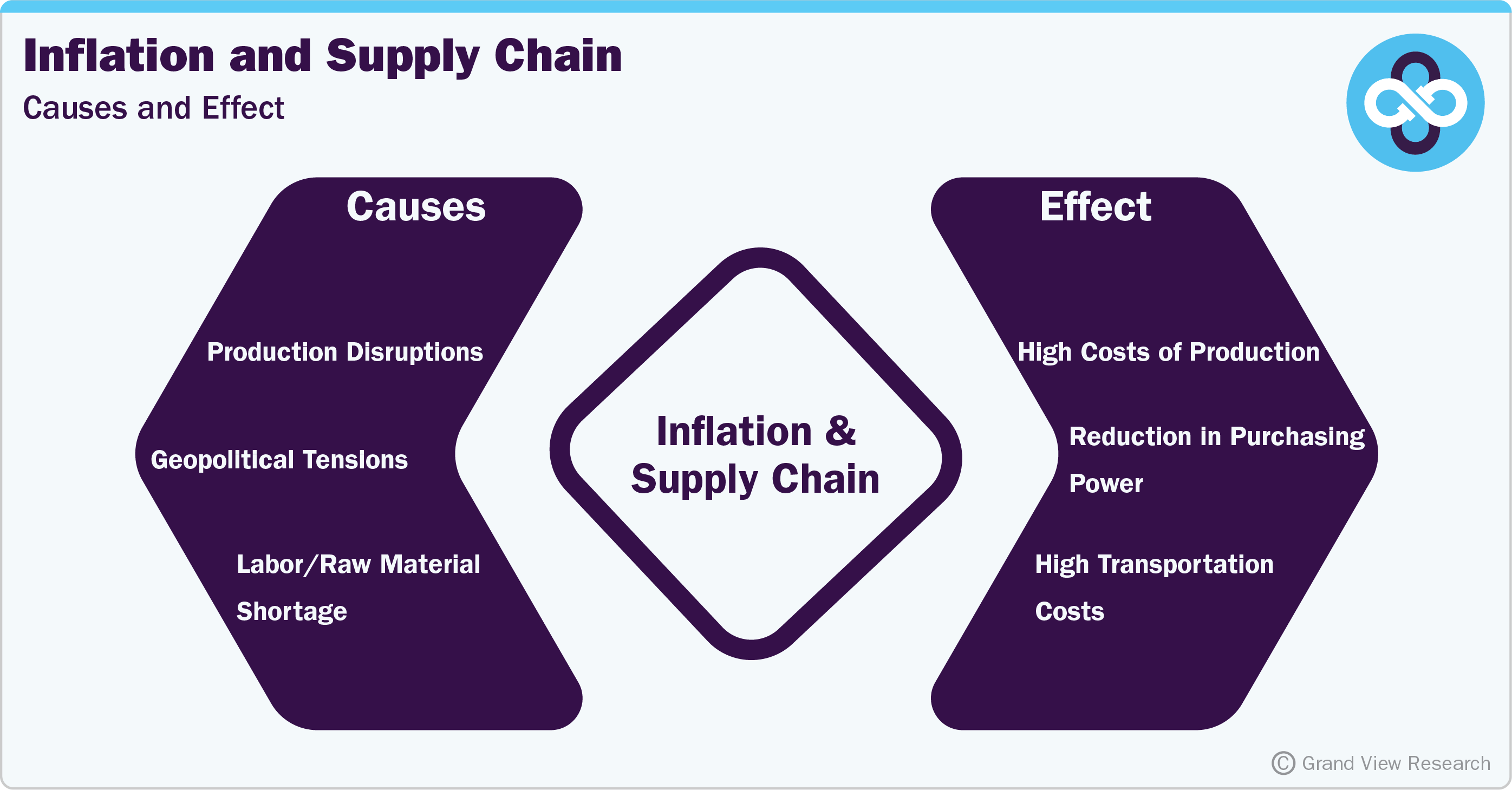
Several factors contribute to why developing countries suffer more severely from inflation. One significant reason is their higher dependence on imports, especially for essential goods like food and fuel. When global prices rise, these nations have little choice but to pay more, directly fueling domestic inflation. Supply chain disruptions, exacerbated by global events, can also disproportionately impact developing countries due to their weaker infrastructure and limited capacity to diversify supply sources. This reliance on imports exposes them to gb external price shocks.
Furthermore, developing economies often have less diversified economic structures. A heavy reliance on a few export commodities makes them vulnerable to price fluctuations in global markets. A drop in commodity prices can lead to currency devaluation, making imports more expensive and driving up inflation. Their financial markets are also often less developed and more volatile, making it difficult to manage inflation impact through conventional monetary policy tools.
The Devastating Inflation Impact on Poverty and Food Security
The most immediate and devastating consequence of inflation in developing nations is its impact on poverty and food security. Rising prices erode the purchasing power of low-income households, pushing more people below the poverty line. Food inflation, in particular, can have catastrophic effects. A large portion of household income in developing countries is spent on food, so even a small increase in food prices can leave families struggling to afford basic necessities. This can lead to malnutrition, stunting, and other health problems, particularly among children.
Social safety nets, such as unemployment benefits and food subsidies, are often weaker or non-existent in developing countries, leaving vulnerable populations with little protection against the inflation impact. The inability to access affordable food and other essential goods can also fuel social unrest and political instability.
Limited Policy Options to Combat Inflation Impact
Central banks in developed economies typically have a range of tools to combat inflation, including raising interest rates and tightening monetary policy. However, developing countries often face constraints in using these tools effectively. Raising interest rates can stifle economic growth, especially in countries with already high levels of unemployment and underemployment. It can also increase the burden of external debt, as many developing nations have borrowed heavily in foreign currencies.
Furthermore, the effectiveness of monetary policy can be limited by factors such as weak financial institutions, capital flight, and a lack of credibility. Fiscal policy options may also be constrained by high levels of debt and limited tax revenues. In some cases, governments may resort to printing money to finance budget deficits, which can further fuel inflation. The inflation impact can then become self-perpetuating.
Addressing Inflation Impact: A Path Forward
Combating inflation in developing nations requires a multi-faceted approach that addresses both the short-term symptoms and the underlying causes. In the short term, measures such as targeted subsidies and price controls may be necessary to protect vulnerable populations. However, these measures should be carefully designed to avoid distorting markets and creating unintended consequences.
In the long term, developing countries need to focus on strengthening their economic resilience and diversification. This includes investing in infrastructure, promoting education and skills development, and fostering a more diversified export base. Sound fiscal management, including reducing debt levels and improving tax collection, is also crucial.
International cooperation can also play a vital role in helping developing countries manage inflation. This includes providing financial assistance, technical expertise, and support for structural reforms. Developed countries can also help by promoting stable global prices and avoiding protectionist measures that can disrupt global trade. Successfully managing the inflation impact requires a collective effort, recognizing the interconnectedness of the global economy.