Expert insights into accurately analyzing global supply chain economic risks, focusing on real-world impacts, resilience, and strategic mitigation.

The intricate web of global supply chains underpins modern commerce, yet it is perpetually exposed to economic risks. From unforeseen geopolitical events to rapid market shifts, businesses today must possess a keen ability to anticipate and react to disruptions. My experience working across manufacturing, logistics, and strategic sourcing has shown me that effective risk management is not just about crisis response; it demands a disciplined, ongoing process of evaluation and adaptation. The stakes are high, impacting everything from raw material costs to consumer prices and overall economic stability.
Overview
- Analyzing global supply chain economic risks requires a proactive, multi-faceted approach extending beyond simple financial metrics.
- Key economic vulnerabilities include demand fluctuations, inflationary pressures, currency volatility, and resource scarcity.
- Geopolitical events, trade tensions, and regional instabilities frequently translate into significant economic disruptions for supply chains.
- Effective risk mitigation involves robust data analytics, scenario planning, supplier diversification, and strategic inventory management.
- Building supply chain resilience is crucial, necessitating investments in nearshoring, friendshoring, and advanced predictive technologies.
- A continuous feedback loop of monitoring, assessment, and adaptation is essential for long-term supply chain viability and competitiveness.
Analyzing global supply chain economic risks: Understanding Core Vulnerabilities
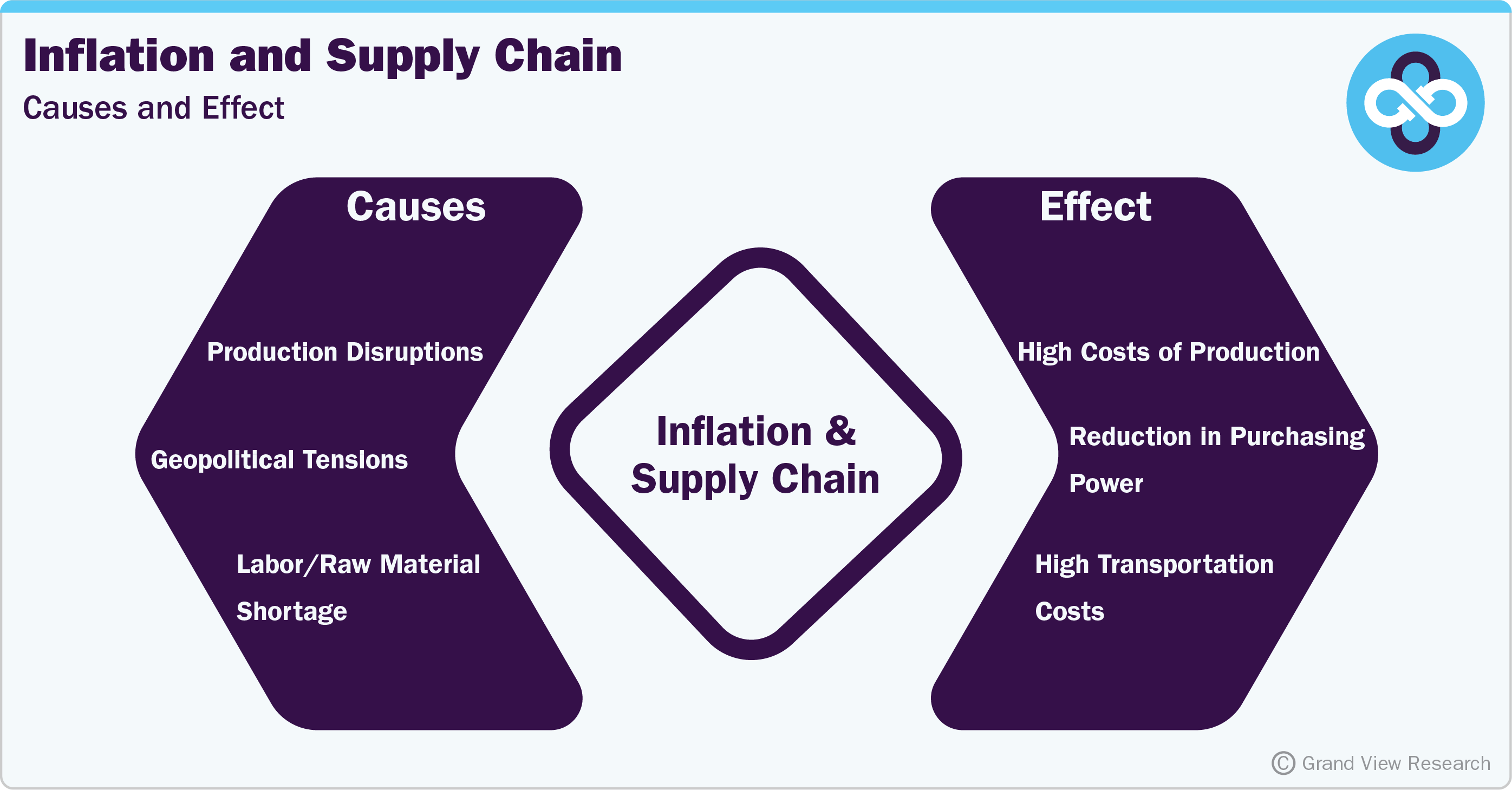
The foundation of robust risk management starts with a clear understanding of inherent vulnerabilities within a supply chain. Economic risks manifest in various forms. Demand volatility, often triggered by economic slowdowns or rapid shifts in consumer behavior, can lead to excess inventory or critical shortages. We frequently observe the impact of inflation, not just in final product costs, but in escalating expenses for transportation, labor, and raw materials. Currency fluctuations present another layer of complexity, altering profit margins for international transactions and sourcing decisions. Furthermore, commodity price swings, particularly in energy or critical minerals, directly affect production costs and market competitiveness.
My work has highlighted how interconnected these factors are. A surge in energy prices, for instance, simultaneously increases manufacturing expenses, freight costs, and potentially fuels broader inflationary pressures, impacting consumer purchasing power. Labor shortages, as seen in recent years, also create bottlenecks and drive up operational expenses. These vulnerabilities are not static; they evolve with global economic conditions and regional developments. Identifying these core weaknesses is the initial, vital step in any effective strategy for Analyzing global supply chain economic risks. Without this detailed understanding, mitigation efforts remain reactive and often insufficient.
Geopolitical Shocks and Regional Instability
Beyond purely economic indicators, geopolitical developments exert immense pressure on global supply chains. Political instability within key manufacturing regions or along critical trade routes can abruptly halt production and disrupt logistics. Trade disputes, such as those seen between the US and China, often result in tariffs, quotas, and reconfigured sourcing strategies. These governmental actions compel businesses to re-evaluate their entire global footprint, sometimes necessitating costly re-shoring or friend-shoring initiatives. Sanctions imposed on specific countries or entities introduce legal and logistical hurdles, forcing companies to find alternative suppliers or markets.
Conflicts and regional tensions pose direct threats to transport corridors, energy supplies, and labor availability. The ripple effects extend far beyond the immediate conflict zone. For instance, a disruption in a single component supplier in one country can idle entire assembly lines halfway across the world. My experience confirms that these non-market risks frequently convert into significant economic losses, impacting profitability, market share, and long-term investment decisions. Effective supply chain management must therefore incorporate a robust framework for assessing geopolitical risk as a direct input to economic forecasting and operational planning.
Practical Approaches for Analyzing global supply chain economic risks
Effective Analyzing global supply chain economic risks demands a structured and data-driven methodology. One crucial tool is scenario planning, where we model various plausible future states—e.g., a sustained period of high inflation, a sudden commodity price spike, or a major trade dispute. This allows businesses to understand potential impacts and develop pre-emptive strategies, rather than reacting solely after an event occurs. Risk mapping is another essential practice, visually identifying critical nodes in the supply chain, their vulnerabilities, and the potential severity of disruption. This includes mapping tier-one, tier-two, and even tier-three suppliers.
Leveraging advanced data analytics is non-negotiable. Real-time data on demand, inventory levels, supplier performance, and geopolitical events provides a dynamic view of risk. Predictive analytics, utilizing AI and machine learning, can forecast potential bottlenecks or price surges before they materialize. Diversifying suppliers across different geographic regions and even different geopolitical blocs reduces dependency on a single point of failure. Regular audits of supplier financial health and operational stability also offer early warning signals. These practical steps, when integrated into daily operations, create a resilient framework for continuous risk evaluation.
Building Resilience through Proactive Analyzing global supply chain economic risks
The ultimate goal of Analyzing global supply chain economic risks is not just identification, but the proactive construction of resilience. This involves strategic investments and operational adjustments designed to withstand future shocks. One growing trend is the adoption of nearshoring or friendshoring, moving production closer to end markets or to politically aligned countries. While this may increase immediate costs, it reduces transit times, limits exposure to distant geopolitical events, and shortens response times to local demand shifts. Another critical strategy involves optimizing inventory levels. While lean principles are valuable, a pure just-in-time approach can be fragile in volatile times. Holding strategic reserves of critical components or finished goods can buffer against sudden supply interruptions.
Multi-sourcing, securing components or services from several independent suppliers, ensures continuity even if one vendor faces issues. Technology plays a pivotal role here. Digital twin simulations can model supply chain behavior under various stress tests. Blockchain technology offers enhanced transparency, tracing goods from origin to destination and verifying authenticity. Investing in robust communication systems with suppliers and customers fosters collaboration and speeds up problem-solving during crises. A proactive mindset, integrating risk assessment into every decision, shifts the paradigm from merely enduring disruptions to actively strengthening the supply chain’s capacity to thrive amidst uncertainty.