Employment is far more than just a way for individuals to earn a living. It’s a powerful engine that drives national development, shaping economies, societies, and the very fabric of a nation. A thriving employment sector signifies a healthy and growing nation, while widespread unemployment can indicate deeper systemic problems. Understanding the multifaceted role of employment is crucial for policymakers, businesses, and individuals alike.
Key Takeaways:
- Employment fuels economic growth by increasing productivity and consumption.
- A strong labor market reduces poverty and inequality, fostering social stability.
- Investment in education and skills development is essential for maximizing the employment impact.
- Government policies play a critical role in creating a favorable environment for job creation.
The Role of Employment in National Development: Fueling Economic Growth
A nation’s economic health is intrinsically linked to its employment rate. When a large portion of the population is gainfully employed, there’s a corresponding increase in the production of goods and services. This boost in productivity directly translates to economic growth. Employed individuals have disposable income, which they spend on goods and services, further stimulating demand and driving economic activity. This cycle of production, income, and consumption is the foundation of a robust economy. Furthermore, taxes paid by employed individuals and businesses contribute to government revenue, enabling investments in infrastructure, education, and other public services that further support national development. A nation with high unemployment, on the other hand, faces decreased productivity, lower consumption, and increased social welfare costs, hindering its overall progress.
The Role of Employment in National Development: Social Stability and Poverty Reduction
Beyond economic growth, employment plays a pivotal role in fostering social stability and reducing poverty. A job provides individuals with a sense of purpose, dignity, and financial security. It allows them to provide for their families, access healthcare, and education, and participate more fully in society. When people have access to decent work opportunities, they are less likely to be trapped in cycles of poverty and dependence. Widespread employment also reduces income inequality, leading to a more equitable and just society. The employment impact extends to reducing crime rates and social unrest, as people with stable jobs are less likely to engage in illegal activities. In contrast, high unemployment can exacerbate social tensions, leading to instability and hindering national progress.
The Role of Employment in National Development: Skills Development and Human Capital
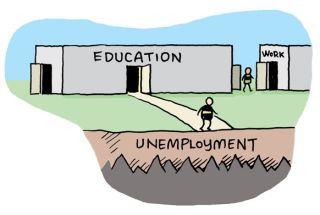
The employment impact is also closely linked to the development of human capital. A dynamic labor market incentivizes individuals to acquire new skills and knowledge to remain competitive and advance in their careers. Businesses, in turn, invest in training and development programs to equip their employees with the skills they need to be productive and innovative. This continuous process of learning and skills development leads to a more skilled and adaptable workforce, capable of driving technological advancements and economic growth. Furthermore, a strong education system is essential for preparing individuals for the demands of the modern workplace. Governments and businesses must work together to ensure that education and training programs are aligned with the needs of the labor market, equipping individuals with the skills they need to succeed.
The Role of Employment in National Development: Government Policies and Job Creation
Government policies play a crucial role in creating a favorable environment for job creation. These policies can include tax incentives for businesses that hire new employees, investments in infrastructure projects that create jobs, and regulations that promote fair labor practices. Additionally, governments can support small and medium-sized enterprises (SMEs), which are often major drivers of job growth, by providing access to financing, training, and technical assistance. Free trade agreements can also boost employment by opening up new markets for domestic goods and services, leading to increased production and job creation. However, it’s important to note that government policies must be carefully designed to avoid unintended consequences, such as excessive regulation or protectionism, which can stifle job growth. Sustainable development initiatives, including those focused on renewable energy and green technologies, can also create new job opportunities while addressing environmental challenges. The UK, for example, has seen significant growth ( gb ) in the green energy sector, resulting in thousands of new jobs.