The world economy is a constantly evolving landscape, subject to powerful forces that trigger significant changes. Understanding these economic shifts is crucial for individuals, businesses, and policymakers alike to make informed decisions and adapt to the changing environment. From technological advancements to geopolitical realignments and demographic changes, a multitude of factors are reshaping the way we produce, consume, and interact economically.

Key Takeaways:
- Economic shifts are driven by a complex interplay of factors including technological advancements, geopolitical events, and demographic changes.
- These shifts have significant implications for businesses, impacting everything from supply chains and consumer behavior to investment strategies.
- Understanding these changes is essential for individuals to make informed financial decisions and adapt to evolving job markets.
- Governments and international organizations play a key role in mitigating the negative impacts of economic shifts and fostering sustainable growth.
Understanding the Drivers of Economic Shifts
Several key factors contribute to the ongoing economic shifts we observe globally. Technological innovation stands out as a primary driver. The rapid advancement of technologies like artificial intelligence, automation, and renewable energy are disrupting existing industries, creating new opportunities, and altering the demand for labor. For example, the rise of e-commerce has drastically changed the retail landscape, impacting brick-and-mortar stores and creating new logistics and delivery industries.
Geopolitical events also play a significant role. Trade wars, political instability, and international conflicts can disrupt supply chains, impact investment flows, and create uncertainty in the global market. The gb leaving the European Union, for instance, has had profound implications for trade relations and economic growth in both the UK and the EU.
Demographic changes, such as aging populations, urbanization, and migration patterns, also exert considerable influence. Aging populations can lead to slower economic growth and increased pressure on social security systems. Urbanization, on the other hand, drives demand for infrastructure, housing, and services, creating economic opportunities in urban centers.
The Impact of Economic Shifts on Businesses
Economic shifts have far-reaching consequences for businesses of all sizes. Changes in consumer behavior, driven by factors like technological advancements and evolving preferences, require businesses to adapt their products, services, and marketing strategies. The increasing demand for sustainable products, for example, is pushing businesses to adopt more environmentally friendly practices.
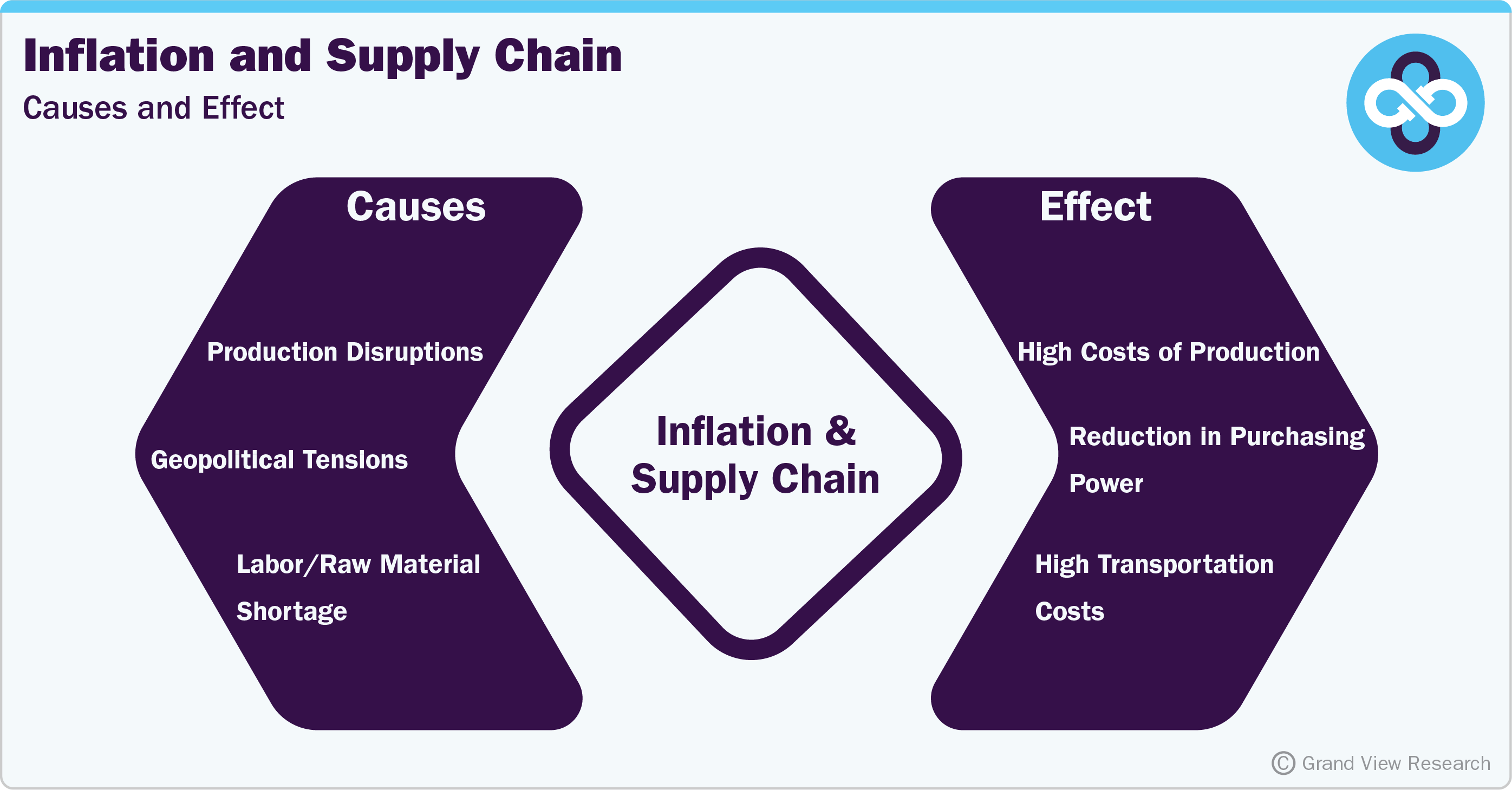
Supply chains are also significantly affected by economic shifts. Geopolitical events, trade barriers, and technological disruptions can create vulnerabilities and require businesses to diversify their sourcing and production strategies. The COVID-19 pandemic exposed the fragility of global supply chains and highlighted the need for greater resilience.
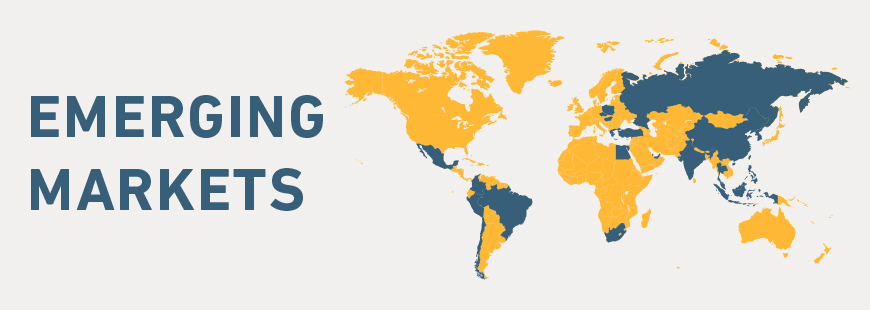
Furthermore, economic shifts impact investment decisions. Businesses need to carefully assess the risks and opportunities associated with new technologies, emerging markets, and changing regulations to make informed investment choices. Factors like interest rates, inflation, and currency fluctuations also play a critical role in shaping investment strategies.
Navigating Economic Shifts: Strategies for Individuals
Understanding economic shifts is not only important for businesses and policymakers but also for individuals. Changes in the job market, driven by technological advancements and globalization, require individuals to acquire new skills and adapt to evolving demands. The rise of automation, for example, is displacing workers in some industries while creating new opportunities in others.
Making informed financial decisions is also crucial in a changing economic environment. Individuals need to consider the impact of inflation, interest rates, and other economic factors on their savings, investments, and spending habits. Staying informed about economic trends and seeking professional advice can help individuals make sound financial choices.
Adapting to changing economic realities also requires individuals to be flexible and resilient. Being willing to learn new skills, embrace new opportunities, and adjust to changing circumstances is essential for success in today’s dynamic world.
Government and Policy Responses to Economic Shifts
Governments and international organizations play a crucial role in mitigating the negative impacts of economic shifts and fostering sustainable growth. Fiscal policies, such as tax reforms and government spending programs, can be used to stimulate economic activity and support vulnerable populations. Monetary policies, such as interest rate adjustments, can be used to control inflation and stabilize financial markets.
Regulatory policies also play a key role in shaping the economic landscape. Governments can enact regulations to promote fair competition, protect consumers, and address environmental concerns. International cooperation is also essential to address global challenges such as climate change, trade imbalances, and financial instability. Through coordinated policy responses, governments can help create a more stable and prosperous global economy.