How Consumer Confidence Affects Market Growth
The economy is a complex ecosystem, and at its heart lies the consumer. Their beliefs, feelings, and expectations about the future – collectively known as consumer confidence – have a profound ripple effect on everything from retail sales to stock market performance. Understanding this relationship is crucial for businesses, investors, and anyone interested in the overall health of the economy. A nation like the gb, with its sophisticated economy, is particularly susceptible to the ebbs and flows of consumer sentiment.
Key Takeaways:
- Consumer confidence is a significant driver of market growth, influencing spending and investment decisions.
- High consumer confidence typically leads to increased spending, boosting GDP and benefiting businesses.
- Low consumer confidence can trigger economic downturns as consumers reduce spending and investments.
- Various economic indicators and global events influence consumer confidence levels.
How High Consumer Confidence Fuels Economic Expansion
When consumers feel secure about their jobs, income, and the overall economic outlook, they are more likely to open their wallets and spend. This increased spending translates directly into higher revenues for businesses. Retailers see increased sales, manufacturers receive more orders, and service providers experience greater demand. This, in turn, encourages businesses to invest in expansion, hire more employees, and increase production, further stimulating the economy. Think of it as a positive feedback loop: optimism breeds spending, spending fuels growth, and growth reinforces optimism. When there is strong consumer confidence in the gb, it often translates to robust growth across various sectors.
How Low Consumer Confidence Leads to Economic Contraction
Conversely, when consumers are pessimistic about the future, they tend to tighten their belts and reduce spending. Concerns about job security, rising inflation, or geopolitical instability can lead people to postpone major purchases, cut back on discretionary spending, and save more. This decrease in demand has a negative impact on businesses, forcing them to scale back production, lay off employees, and delay investment plans. A decline in consumer confidence can quickly spiral into a recession if not addressed promptly. A significant drop in gb consumer confidence can trigger a period of economic stagnation or even recession.
The Key Indicators Influencing Consumer Confidence
Consumer confidence is not formed in a vacuum. It’s influenced by a variety of factors, including:
- Employment Rates: High employment and low unemployment generally boost consumer confidence, as people feel more secure about their jobs and incomes.
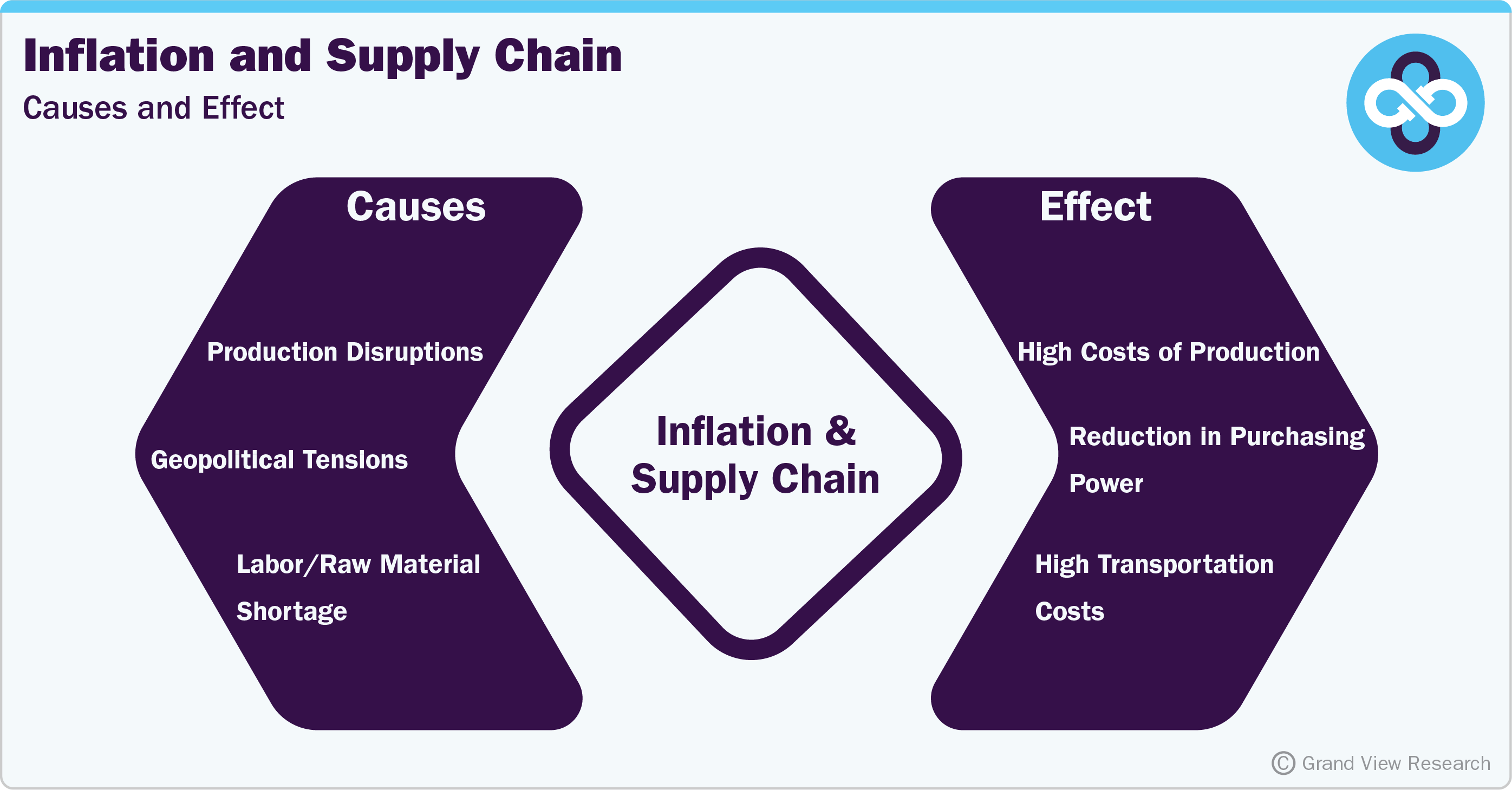
- Inflation: Rising inflation erodes purchasing power and can dampen consumer confidence, especially when wage growth doesn’t keep pace.
- Interest Rates: Higher interest rates can make borrowing more expensive, discouraging spending and investment, potentially lowering consumer confidence.
- Stock Market Performance: A strong stock market can boost consumer confidence, as people see their investments grow.
- Government Policies: Tax cuts, infrastructure spending, and other government policies can influence consumer confidence by affecting people’s disposable income and overall economic outlook.
- Global Events: Political instability, trade wars, and pandemics can all negatively impact consumer confidence due to increased uncertainty.
Analyzing the Relationship Between Consumer Confidence and Market Trends
Understanding the link between consumer confidence and market trends requires careful analysis of economic data and sentiment surveys. Economists and analysts track various indicators, such as the Consumer Confidence Index (CCI) and the University of Michigan’s Consumer Sentiment Index, to gauge consumer sentiment. These indices provide valuable insights into consumer attitudes and expectations about the economy. By correlating these indices with other economic indicators, such as retail sales, GDP growth, and investment figures, analysts can gain a deeper understanding of how consumer confidence affects market performance. For example, a sudden drop in the gb CCI, coupled with declining retail sales, might signal an impending economic slowdown.