Is a global recession looming? The headlines are filled with concerns about inflation, rising interest rates, and geopolitical instability. Understanding what a global recession entails, how it impacts individuals and businesses, and what steps can be taken to mitigate its effects is crucial in today’s uncertain economic climate. This article breaks down the complexities of a global recession and provides actionable insights for navigating potential challenges.

Key Takeaways:
- A global recession is a widespread economic downturn affecting multiple countries.
- Job losses, decreased consumer spending, and market volatility are common consequences.
- Diversifying investments, managing debt, and focusing on essential skills can help individuals prepare.
- Businesses can adapt by optimizing operations, exploring new markets, and maintaining strong customer relationships.
Understanding the Causes of a Global Recession
A global recession doesn’t happen overnight. It’s typically the result of a complex interplay of factors that weaken the global economy. Some common triggers include:
- Financial Crises: Events like the 2008 financial crisis, triggered by issues in the housing market and the subsequent collapse of major financial institutions, can have a ripple effect across the world. The interconnectedness of global financial markets means that problems in one region can quickly spread to others.
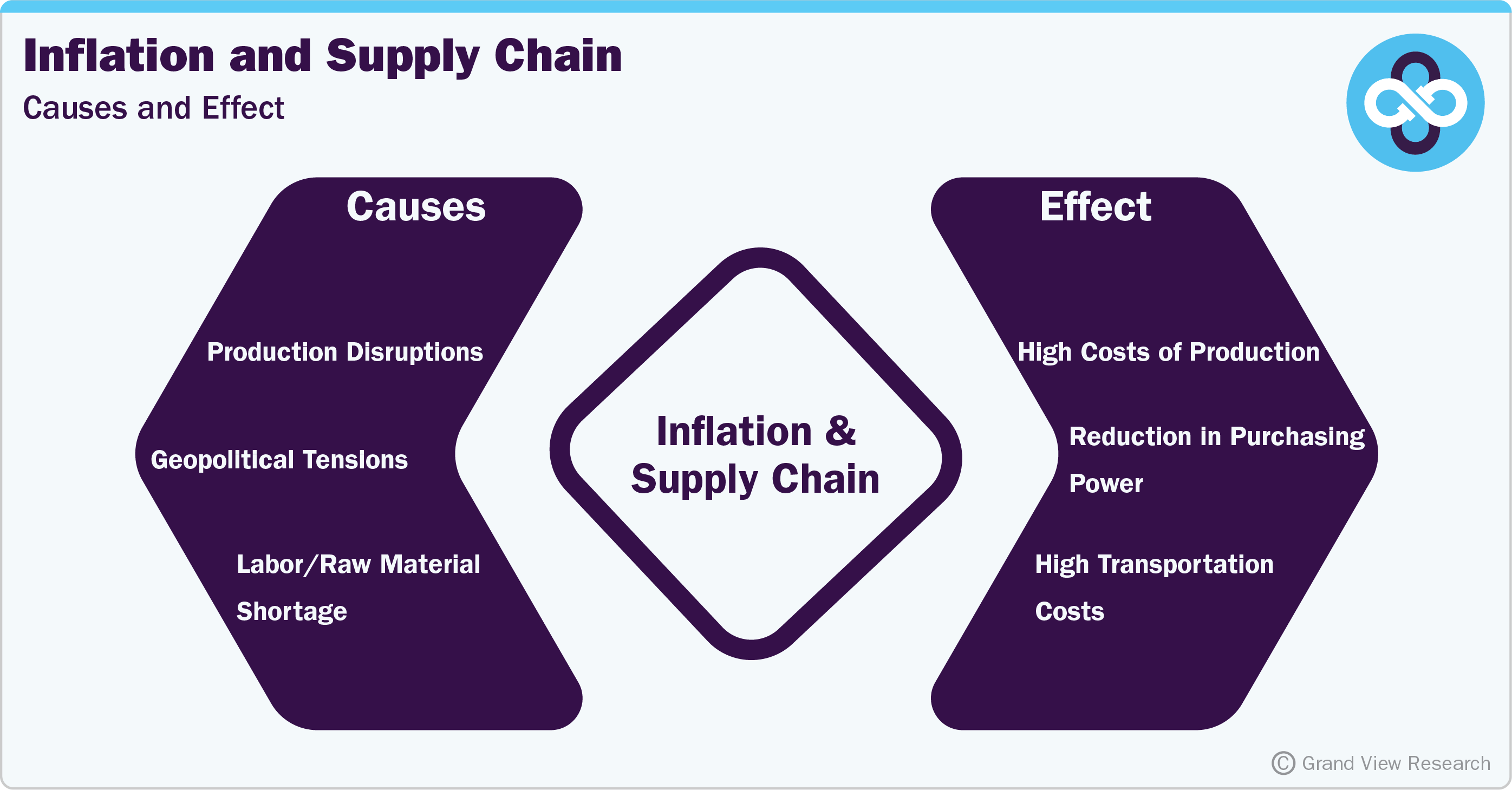
- Geopolitical Instability: Wars, political tensions, and trade disputes can disrupt supply chains, increase uncertainty, and negatively impact economic growth. For example, the recent conflict in Ukraine has had a significant impact on energy prices and global trade flows.
- Supply Chain Disruptions: The COVID-19 pandemic highlighted the vulnerability of global supply chains. Disruptions caused by lockdowns, port closures, and transportation bottlenecks can lead to shortages of goods, increased prices, and reduced economic output.
- High Inflation and Interest Rate Hikes: When inflation rises rapidly, central banks often respond by raising interest rates to cool down the economy. While this can help control inflation, it can also slow down economic growth and potentially trigger a recession. High interest rates make it more expensive for businesses to borrow money, which can lead to reduced investment and hiring.
- Bursting of Asset Bubbles: Unsustainable increases in the prices of assets like stocks or real estate can create bubbles. When these bubbles burst, it can lead to significant wealth destruction and economic contraction.
These factors can interact in complex ways, creating a perfect storm for a global recession. For instance, high inflation caused by supply chain disruptions could lead to interest rate hikes, which could then trigger a slowdown in economic growth.
Examining the Impact of a Global Recession
The impact of a global recession can be far-reaching and affect various aspects of life. Here are some key areas that are typically affected:
- Job Losses: Businesses often respond to a recession by cutting costs, which can include layoffs. Job losses can lead to decreased consumer spending and further economic contraction. Certain sectors, such as manufacturing and construction, are often particularly vulnerable during recessions.
- Decreased Consumer Spending: As people lose their jobs or become concerned about their financial security, they tend to cut back on spending. This decrease in demand can further depress economic activity. Discretionary spending, such as travel and entertainment, is often the first to be cut.
- Market Volatility: Stock markets tend to be highly volatile during recessions. Investors become fearful and sell off their holdings, leading to sharp declines in stock prices. This can erode wealth and confidence, further exacerbating the economic downturn.
- Reduced Investment: Businesses are less likely to invest in new projects or expand their operations during a recession. This can lead to a decline in productivity and long-term economic growth.
- Increased Poverty: Recessions can push people into poverty as they lose their jobs and struggle to meet their basic needs. Social safety nets, such as unemployment benefits, can help mitigate the impact of poverty, but they may not be sufficient to prevent it entirely.
- Government Debt: Governments often increase spending during recessions to stimulate the economy. This can lead to an increase in government debt, which can have long-term economic consequences.
The severity of the impact can vary depending on the specific characteristics of the global recession and the policies implemented by governments and central banks.
Strategies for Individuals During a Global Recession
While a global recession can be daunting, there are steps individuals can take to protect themselves and their families:
- Diversify Investments: Don’t put all your eggs in one basket. Diversify your investments across different asset classes, such as stocks, bonds, and real estate. This can help to mitigate the impact of market volatility.
- Manage Debt: High levels of debt can be a significant burden during a recession. Focus on paying down high-interest debt, such as credit card debt, and avoid taking on new debt if possible.
- Build an Emergency Fund: Having an emergency fund can provide a financial cushion in case of job loss or unexpected expenses. Aim to save at least three to six months’ worth of living expenses.
- Focus on Essential Skills: Invest in developing skills that are in demand, such as technology skills or critical thinking skills. This can increase your job security and make you more competitive in the job market.
- Cut Expenses: Identify areas where you can cut back on spending. This could include reducing discretionary spending, negotiating lower rates on your bills, or finding cheaper alternatives for everyday expenses.
- Seek Financial Advice: If you’re unsure how to manage your finances during a recession, consider seeking advice from a qualified financial advisor. They can help you develop a personalized financial plan that takes into account your specific circumstances. The great britain, has many trusted financial advisors.
- Stay Informed: Stay up-to-date on economic news and developments. This can help you anticipate potential challenges and make informed decisions about your finances.
Preparing Businesses for a Global Recession
Businesses also need to take proactive steps to prepare for a global recession. Here are some strategies they can implement:
- Optimize Operations: Look for ways to improve efficiency and reduce costs. This could include streamlining processes, automating tasks, or negotiating better deals with suppliers.
- Maintain Strong Customer Relationships: Customer loyalty is particularly important during a recession. Focus on providing excellent customer service and building strong relationships with your customers.
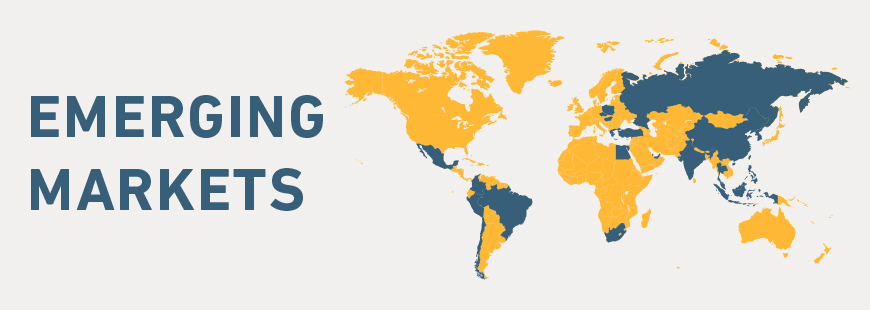
- Explore New Markets: Diversifying your customer base can help to reduce your reliance on any single market. Consider expanding into new geographic markets or targeting new customer segments.
- Manage Cash Flow: Cash flow is king during a recession. Make sure you have enough cash on hand to meet your obligations and weather any unexpected challenges.
- Invest in Innovation: While it may seem counterintuitive to invest in innovation during a recession, it can be a strategic move. Developing new products or services can help you differentiate yourself from the competition and capture new market share.
- Plan for Contingencies: Develop a contingency plan that outlines how you will respond to different scenarios, such as a decline in sales or a disruption in your supply chain.
- Seek Government Support: Many governments offer support programs for businesses during recessions, such as tax breaks or loan guarantees. Take advantage of these programs to help your business survive and thrive. Don’t give up, there is always a chance for a come back.
By taking these steps, businesses can increase their chances of weathering a global recession and emerging stronger on the other side.